


Sleep Disorders
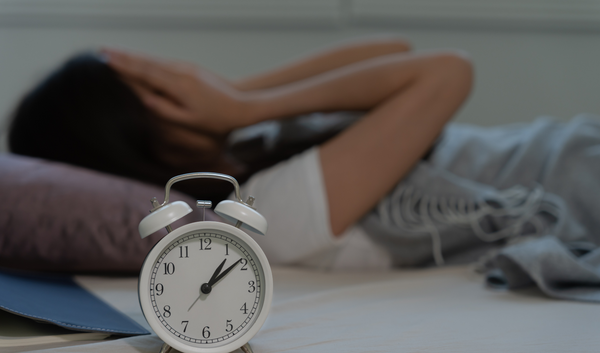
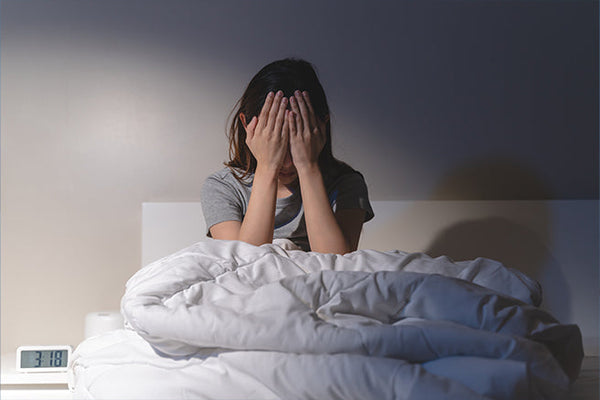
Occasional difficulty falling or staying asleep can affect many of us, particularly during periods of stress, illness, or emotional strain. However, when disrupted sleep becomes persistent and begins to affect your energy, concentration, daily performance, or overall health, it may indicate an underlying sleep disorder. Recognising the symptoms and seeking timely professional support can help improve both your sleep quality and long-term well-being.
Common Signs of a Sleep Disorder:
You may need to pay closer attention to your sleep if you regularly experience:
- Difficulty falling asleep or remaining asleep
- Excessive tiredness or sleepiness during the day
- Loud snoring, gasping, or interrupted breathing during sleep
- Uncomfortable sensations or an uncontrollable urge to move your legs at night
- Frequent restlessness or repeated movement while trying to sleep
- Difficulty concentrating, changes in mood, or reduced daytime performance
Common sleep disorders include insomnia, restless legs syndrome, narcolepsy and sleep apnea.
Insomnia:
Insomnia is a common sleep disorder that can make it difficult for you to fall asleep, remain asleep, or achieve good-quality, restorative sleep, even when you have sufficient time and an appropriate environment for rest. It may be short-term and linked to stress or changes in routine, or it may become persistent and interfere with your daily activities, mood, and energy levels.
Restless Leg Syndrome:
Restless legs syndrome, also known as Willis–Ekbom disease, is a neurological condition that causes uncomfortable sensations in the legs and an irresistible urge to move them. Symptoms usually occur or become more noticeable when you are resting, particularly during the evening or at night. Moving or stretching the legs may provide temporary relief, but the condition can make it difficult to fall asleep and maintain uninterrupted rest.
Narcolepsy:
Narcolepsy is a chronic neurological disorder that affects the brain’s ability to regulate normal sleep–wake cycles. If you have narcolepsy, you may experience overwhelming daytime sleepiness, sudden sleep episodes, and disrupted sleep at night. Some individuals may also experience temporary muscle weakness, sleep paralysis, or vivid dream-like experiences while falling asleep or waking up. Although there is currently no cure, appropriate medication, lifestyle adjustments, and professional care can help manage the symptoms and improve daily functioning.
If sleep difficulties persist or interfere with your physical health, emotional well-being, or everyday routine, consult a healthcare professional or sleep specialist for an accurate diagnosis and suitable treatment.
Sleep Apnea:
Sleep apnea is a condition where breathing repeatedly stops and restarts while you sleep. These interruptions can reduce sleep quality and prevent your body from receiving consistent, restorative rest. Common signs include loud snoring, gasping or choking during sleep, morning headaches, and excessive daytime sleepiness. Sleep apnea can affect children and adults and should be assessed by a qualified healthcare professional.