



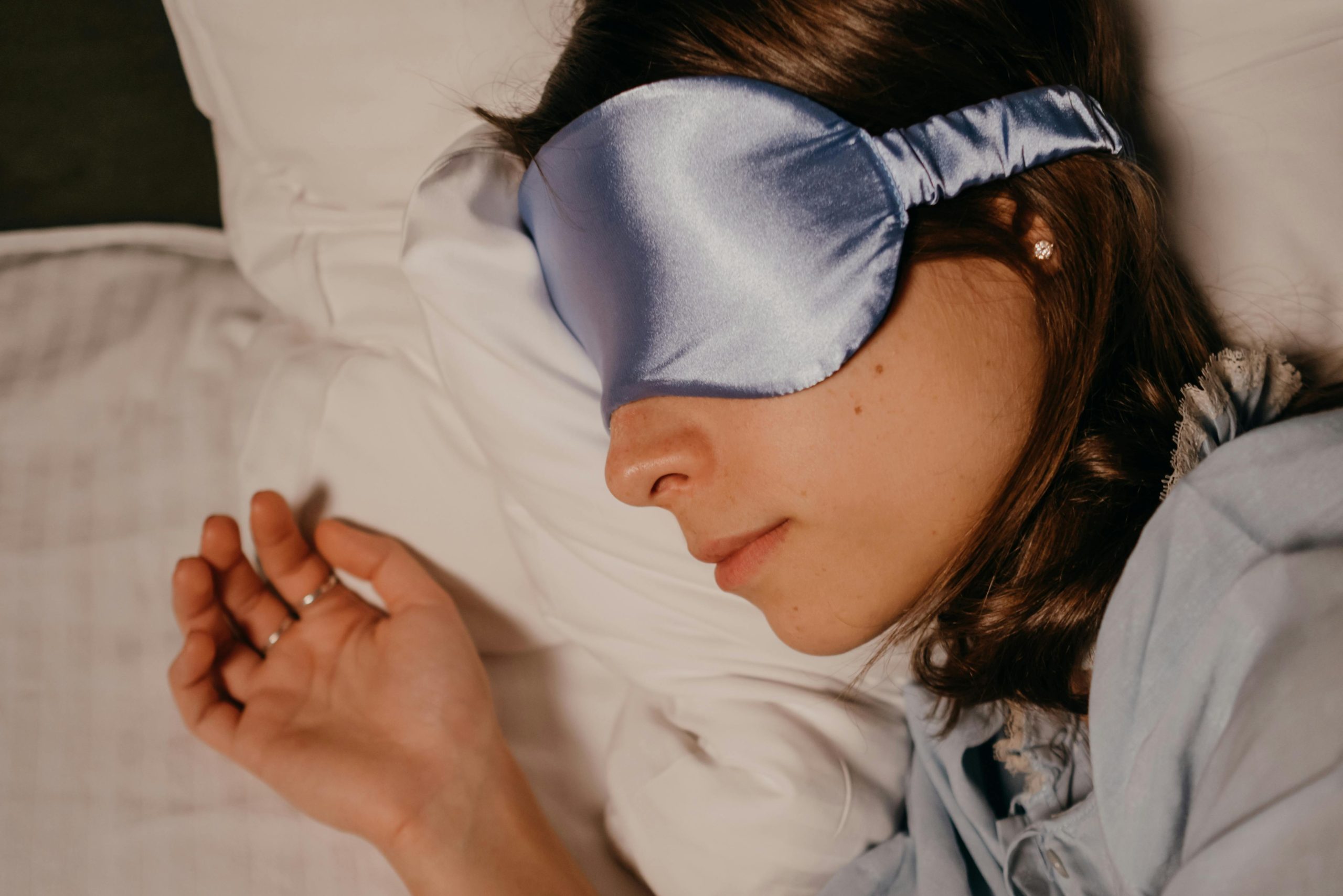
Sleep is not just rest for the body; it’s a biological reset period for the skin. During deep sleep, the body regulates key hormones like cortisol, melatonin, and growth hormone, all of which directly influence skin repair, inflammation, hydration, and aging. When sleep is disrupted, these processes are affected, often leading to visible skin issues such as acne, dullness, dryness, and premature aging.
Clinical research shows that people who sleep less than 6 hours a night experience higher skin aging scores, slower skin barrier recovery, and increased signs of inflammation compared to those who get adequate sleep. During deep sleep, the body regulates critical skin-related hormones such as melatonin, cortisol, and growth hormone, which directly affect collagen production, hydration, and repair.
The skin’s circadian rhythm is also synchronized with the sleep–wake cycle. When this rhythm is disrupted, skin repair mechanisms weaken, making issues like acne, dullness, dryness, and premature aging more visible.
Expert Quote
“Sleep is when the skin does most of its repair work. Chronic sleep deprivation accelerates skin aging and worsens inflammatory skin conditions.”
Dr. Amna, Board-Certified Dermatologist & Clinical Associate Professor of Dermatology
1. Reduced Skin Repair & Collagen Production
During deep sleep, the body releases Human Growth Hormone (HGH), which plays a critical role in cell regeneration and collagen synthesis. Lack of sleep reduces this repair cycle, slowing skin healing and accelerating aging.
Key impacts:
- Lower collagen production
- Slower cell turnover
- Increased fine lines and skin laxity
2. Increased Acne Due to High Cortisol Levels
Poor sleep raises cortisol, the primary stress hormone. Elevated cortisol increases sebum (oil) production and inflammation, creating an ideal environment for acne-causing bacteria.
Key impacts:
- More breakouts and clogged pores
- Increased skin inflammation
- Worsening of hormonal acne
3. Dehydrated Skin & Weakened Skin Barrier
Sleep helps regulate transepidermal water loss (TEWL) and supports the skin’s natural barrier. Sleep deprivation disrupts this balance, leading to moisture loss and reduced ceramide production.
Key impacts:
- Dry, flaky skin
- Increased sensitivity
- Reduced skin elasticity
4. Increased Inflammation, Redness & Sensitivity
Lack of sleep increases pro-inflammatory cytokines such as IL-6 and TNF-α. These inflammatory markers aggravate skin conditions like eczema, rosacea, and psoriasis.
Key impacts:
- Persistent redness
- Skin irritation and flare-ups
- Slower recovery from skin damage
5. Dark Circles & Puffiness from Poor Circulation
Sleep deprivation affects blood flow and lymphatic drainage, causing blood vessels under the eyes to dilate. This results in dark circles and fluid retention.
Key impacts:
- Puffy eyes
- Dark under-eye circles
- Tired, aged appearance
6. Weakened Immune Defense of the Skin
Sleep supports immune regulators like T-cells and cytokine balance, which protect the skin from bacteria and environmental stressors. Poor sleep weakens this defense system.
Key impacts:
- Increased risk of infections and acne
- Slower wound and scar healing
- Reduced ability to fight skin damage
What Happens to My Skin When I Sleep?
While you slumber, your skin works tirelessly to repair, regenerate, and defend itself from the day’s environmental stressors. Here’s a brief look at what happens during the night:
1. Cell Repair and Renewal
During deep sleep, blood flow to the skin increases, allowing damaged cells to repair and regenerate. Growth hormone peaks at this time, stimulating collagen production and helping maintain a youthful, radiant appearance.
2. Detoxification
Your body’s lymphatic system becomes more active while you sleep, clearing toxins and waste products from the skin. This process supports a clearer, healthier complexion.
3. Increased Collagen Production
Collagen, the protein responsible for skin elasticity and firmness, is produced more efficiently during sleep. Adequate rest helps reduce fine lines and maintain skin structure.
4. Hydration Balance
The skin’s barrier function strengthens at night, minimizing trans-epidermal water loss. This helps prevent dryness and keeps your skin hydrated and supple.
5. Enhanced Absorption of Skincare Products
During sleep, your skin is more receptive to active ingredients. Using potent serums or creams at night ensures your skin maximizes the benefits of your skincare routine.
Sleep Suggestion for Professionals:
Busy professionals often face long hours and mental fatigue, making short rest breaks essential for productivity and focus. Using a Sofa in Box at the workplace allows professionals to take quick power naps during breaks, helping reduce stress, improve concentration, and prevent burnout. Lightweight, foldable portable mattresses can be easily stored under desks or in rest areas, making them a practical sleep solution for offices, co-working spaces, and on-call work environments.