



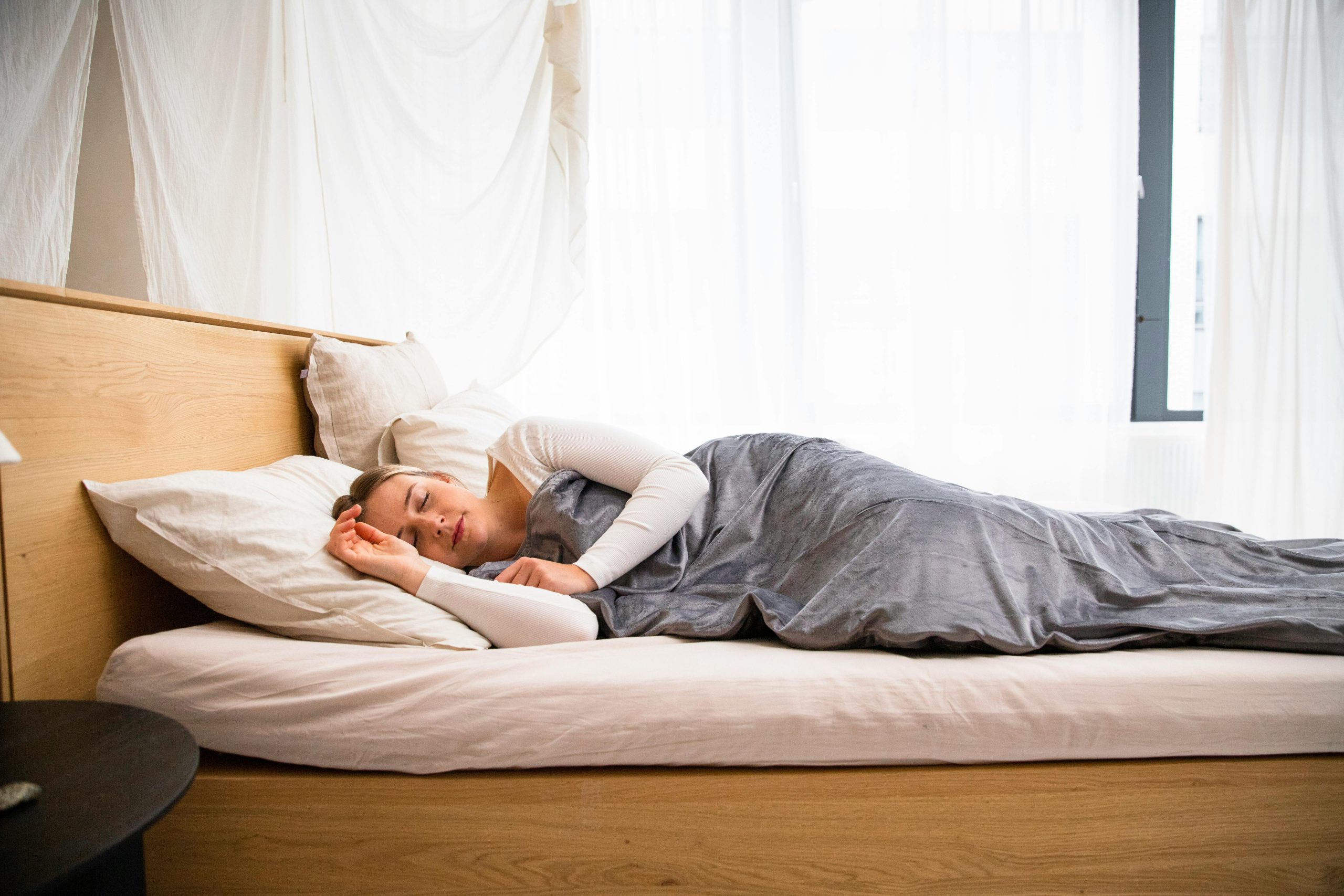
When dealing with the anxiety, pain, and side effects of breast cancer treatment, the mind and body can be constantly in a state of high alert, making sleep elusive. Relaxation techniques are powerful, non-pharmacological tools that help calm the nervous system, reduce muscle tension, and quiet the racing thoughts that keep you awake.
Here are the most effective relaxation techniques to help breast cancer patients sleep better:
1. Deep Abdominal Breathing (Diaphragmatic Breathing)
This simple technique is often the first step in activating the body’s natural relaxation response, helping to shift you out of a “fight or flight” state.
The Technique:
- Find Your Position: Lie on your back in bed or sit comfortably with your head and back supported.
- Hand Placement: Place one hand on your upper chest and the other just above your belly button.
- Inhale: Breathe in slowly and deeply through your nose, allowing your abdomen to rise and expand like a balloon. The hand on your chest should remain relatively still.
- Exhale: Purse your lips (as if whistling) and breathe out slowly through your mouth. Let your abdomen fall and flatten completely. The exhale should be longer than the inhale (e.g., inhale for a count of 4, exhale for a count of 6).
- Repeat: Continue for 5–10 minutes, focusing only on the sensation of your breath.
Tip for Breast Cancer Patients: If you have trouble breathing deeply due to surgery or pain, just focus on making your breath slow and gentle, rather than deep.
2. Progressive Muscle Relaxation (PMR)
PMR is an excellent technique for physical tension. It involves systematically tensing and then releasing specific muscle groups, helping you become more aware of tension and how to relieve it.
The Technique:
- Get Comfortable: Lie down in bed, perhaps slightly elevated if you are more comfortable that way.
- Tense and Release: Start with your feet or toes. Inhale and gently curl your toes and tense the muscles in your feet for about 5 seconds. (Note: Be gentle—do not strain or cause pain, especially near surgical sites).
- The Release: Exhale and suddenly release all the tension from your feet. Notice the difference between the feeling of tension and the feeling of relaxation.
- Move Up the Body: Work your way up the body, tensing and releasing muscle groups: lower legs, thighs, buttocks, abdomen, chest, hands/forearms, upper arms, shoulders, neck, and face.
- Final Scan: Once you reach your head, do a final “body scan” and instruct any remaining areas of tension to relax.
Tip for Breast Cancer Patients: Skip any areas where tensing causes pain or discomfort (especially the chest, shoulder, or arm on the surgical side). Focus instead on the release phase in those areas.
3. Guided Imagery and Visualization
This technique uses your imagination to transport your mind to a peaceful setting, effectively distracting you from anxiety and pain.
The Technique:
- Use a Guide: Listen to a recorded guided imagery track (available on many meditation apps and YouTube) or silently guide yourself.
- Create the Scene: Imagine a detailed, peaceful place: a quiet beach, a mountain meadow, or a warm, cozy room.
- Engage the Senses: What do you see (sunlight, calm water)? What do you hear (gentle waves, soft music)? What do you smell (fresh air, lavender)? What do you feel (warm sand, soft blanket)?
- Anchor the Feeling: As you become fully immersed in the scene, allow yourself to feel safe, relaxed, and secure. Focus on the feeling of warmth and heaviness as your body sinks into the bed.
Tip for Breast Cancer Patients: Focus the imagery specifically on feelings of comfort and safety, which can counteract the vulnerability that often accompanies treatment.
4. Mindfulness Meditation
Mindfulness is the practice of simply observing your thoughts, feelings, and body sensations without judgment. This helps to break the cycle of “worrying about worrying” that leads to insomnia.
The Technique:
- Settle In: Lie in bed and begin with a few deep breaths.
- Focus on the Anchor: Gently bring your attention to a physical anchor, usually the feeling of your breath moving in and out of your body.
- Observe Thoughts: When a thought (like a worry about an appointment or pain) pops up, simply acknowledge it (“Ah, there is a thought about my treatment.”)
- Let It Go: Do not engage with the thought or judge yourself for having it. Gently release the thought and bring your attention back to the feeling of your breath.
- Practice Acceptance: Continue this process. The goal is not to have an empty mind, but to train your mind to stop spiraling into anxiety.
Tip for Breast Cancer Patients: Consistency is key. Even 5-10 minutes of mindfulness practice during the day can improve your ability to calm your mind when it’s time to sleep.
When to Seek Additional Help
While these techniques are effective, it is important to remember that severe or chronic insomnia in cancer patients is a clinical symptom that requires attention.
If relaxation techniques are not enough, talk to your care team about:
- Cognitive Behavioral Therapy for Insomnia (CBT-I): A highly effective, specialized therapy that targets the thoughts and behaviors preventing sleep.
- A Referral to a Psycho-Oncologist: A professional who can help you manage cancer-related anxiety and emotional distress.
- Short-Term Medication: Your doctor may recommend a brief course of a sleep aid if other strategies fail.
FAQs
1. Why is sleep so difficult for breast cancer patients?
Breast cancer patients often struggle with sleep due to anxiety, pain, emotional stress, and side effects from treatments such as chemotherapy, radiation, or surgery. These factors can keep the mind and body in a heightened state of alert, making it hard to fall or stay asleep.
2. Are relaxation techniques safe for breast cancer patients?
Yes. Relaxation techniques like deep breathing, progressive muscle relaxation, guided imagery, and mindfulness are safe, gentle, and non-pharmacological. However, patients should always listen to their bodies and avoid any movements or positions that cause discomfort.
3. How often should I practice these relaxation techniques?
Most techniques can be practiced daily, either before bedtime or during moments of stress. Consistency is key—regular practice strengthens the body’s ability to relax naturally and improves sleep quality over time.
4. Can I use these techniques during chemotherapy or radiation treatment?
Yes. Many patients find relaxation techniques especially helpful during and after treatment sessions. Breathing exercises and guided imagery can help reduce anxiety and improve emotional well-being during treatment.