



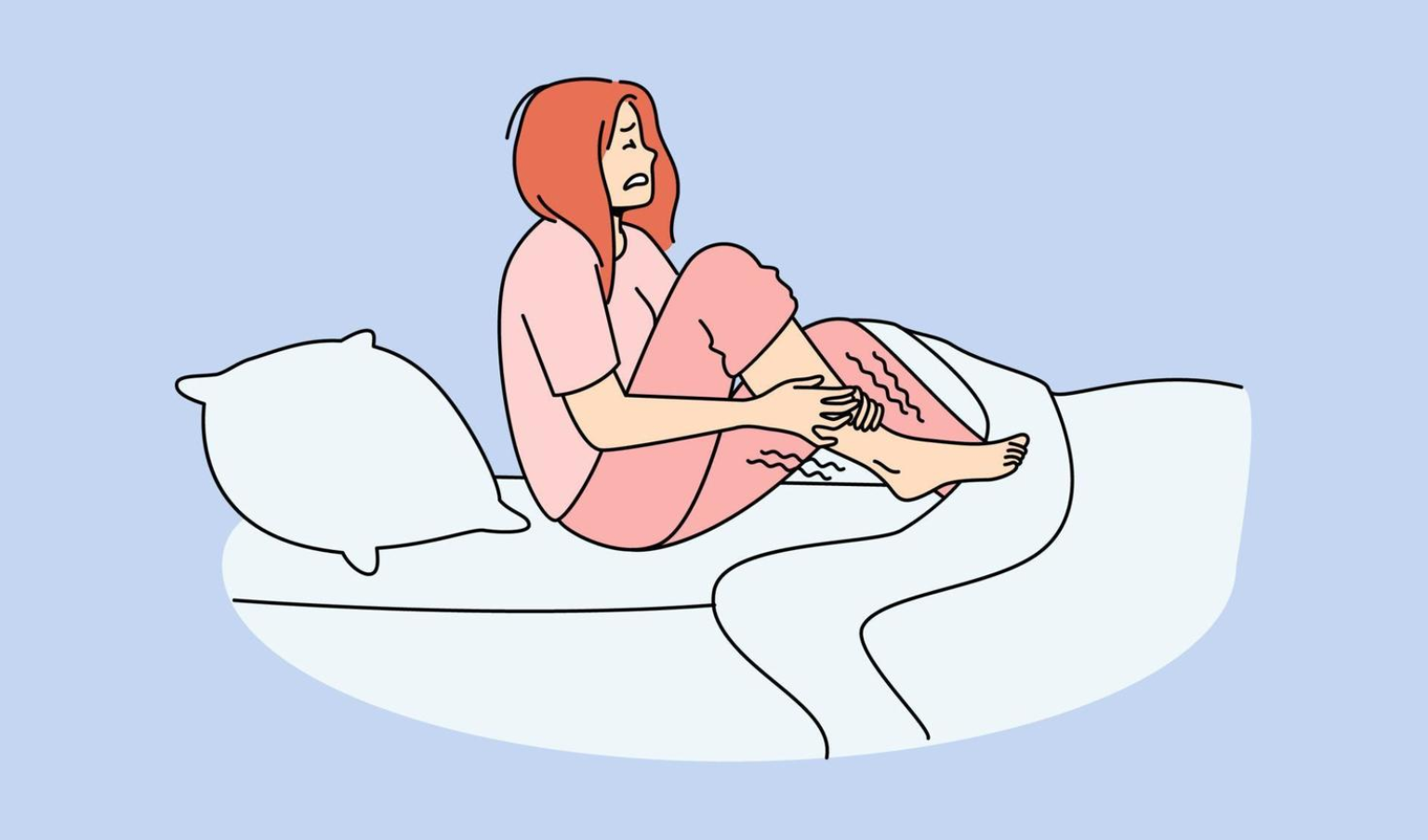
Have you ever felt the sudden urge to move your legs, especially when you’re trying to relax or sleep? It’s a strange sensation, almost like your legs are restless, demanding some kind of relief. If you’ve experienced this, you might be dealing with Restless Legs Syndrome (RLS).
RLS isn’t just about the legs feeling uncomfortable—it’s more like an overwhelming urge to move them. But don’t worry. While it can be annoying, it’s a manageable condition. Let’s dive into what RLS is, what causes it, and how you can handle it in simple, everyday terms.
What is Restless Legs Syndrome?
Restless Legs Syndrome (RLS) is a condition that causes an uncontrollable urge to move your legs, especially when you’re at rest. It typically happens at night when you’re trying to wind down for bed. You might feel a creepy-crawly sensation, an itch, or even a deep ache. This uncomfortable feeling often goes away when you get up and move around, but it returns when you try to sit or lie down again.
It can affect people of all ages, though it’s more common in adults and becomes more noticeable as people age.
The urge to move the legs often leads to sleep problems because it can make it tough to settle down at night. In some cases, people with RLS also experience involuntary leg movements while they sleep, which can cause more disruption to their rest.
What Causes Restless Legs Syndrome?
The exact cause of RLS isn’t always clear, but there are a few things that can contribute to it.
1. Genetics (Family History)
If someone in your family has RLS, you’re more likely to develop it too. Genetic factors play a big role in many cases of RLS.
2. Iron Deficiency
Low iron levels in the brain may contribute to RLS. Even if you don’t have full-blown anemia, an iron deficiency can make symptoms worse.
3. Pregnancy
Pregnant women, especially during the third trimester, are at an increased risk of developing RLS. Hormonal changes and increased blood volume can affect nerve function, leading to symptoms.
4. Chronic Conditions
Certain health conditions, like kidney disease, diabetes, and Parkinson’s disease, are linked to RLS. If you have one of these conditions, it might increase your chances of experiencing restless legs.
5. Medications
Some medications, including antihistamines, antidepressants, and antipsychotics, can worsen RLS symptoms. If you’re on a medication and notice your symptoms getting worse, talk to your doctor.
6. Lifestyle Factors
Things like lack of exercise, smoking, or excessive caffeine can make RLS symptoms worse. Keeping a healthy lifestyle can help minimize the impact of RLS.
Symptoms of Restless Legs Syndrome
The main symptom of RLS is the strong urge to move your legs, usually when you’re sitting or lying down. But there’s more to it than just feeling restless.
Common symptoms include:
- An uncomfortable sensation: You might feel something like crawling, tingling, itching, or aching in your legs. It’s often described as an “unpleasant feeling” that makes you want to move your legs.
- Relief with movement: The only way to get rid of the discomfort is by moving your legs, walking around, or stretching. Once you start moving, the feeling may temporarily go away.
- Worsening at night: RLS symptoms usually get worse in the evening or at night, making it harder to fall asleep.
- Difficulty relaxing: You may find it hard to relax while watching TV, reading, or even lying down. The sensation tends to appear when you’re at rest or inactive.
The impact on sleep can be significant. When you’re tossing and turning, trying to find a comfortable position, it can lead to poor-quality sleep, leaving you feeling exhausted the next day.
How Does RLS Affect Daily Life?
RLS can be more than just a nighttime annoyance. When the discomfort kicks in during the evening, it can disrupt not only your sleep but your entire routine.
1. Sleep Deprivation
Because RLS is worse at night, it often keeps people from getting enough rest. Constantly waking up to move your legs or being unable to fall asleep in the first place leads to fatigue during the day.
2. Mood Swings
Chronic sleep deprivation can leave you feeling irritable, stressed, or anxious. You might feel frustrated about not being able to relax or enjoy your evenings without this constant urge to move your legs.
3. Trouble Relaxing
Even simple activities, like watching TV or reading, can become difficult if your legs are constantly twitching or feeling restless.
4. Reduced Quality of Life
In more severe cases, RLS can interfere with social activities, work, and hobbies. It can be especially challenging if you’re always too tired to focus or enjoy things you used to.
Managing Restless Legs Syndrome
While there’s no cure for RLS, there are ways to reduce the symptoms and make life easier. Here are some tips you can try to get some relief:
1. Improve Sleep Habits
Good sleep hygiene is essential for everyone, but especially for people with RLS. Stick to a regular sleep schedule, avoid caffeine in the evening, and make your bedroom as relaxing as possible.
2. Exercise
Gentle exercises can help ease RLS symptoms. Walking, stretching, or yoga are great ways to get your legs moving without overexerting yourself. However, avoid intense exercise close to bedtime, as it could make symptoms worse.
3. Warm or Cold Compress
Applying a warm or cold compress to your legs can help soothe the sensation. Some people find relief with a heating pad or a cool towel.
4. Avoid Triggers
Certain lifestyle habits can make RLS worse, like smoking, too much caffeine, or alcohol. Cutting back on these things can help reduce symptoms.
5. Iron Supplements
If you have low iron levels, taking iron supplements can sometimes help. But it’s important to talk to your doctor before starting any new supplements.
6. Medications
In more severe cases, your doctor may recommend medications to manage RLS symptoms. These could include drugs that affect dopamine, a neurotransmitter involved in muscle movement.
Don’t Let RLS Control Your Life
Restless Legs Syndrome can feel frustrating, especially when it’s affecting your sleep and overall well-being. But with the right steps, it’s possible to manage the condition and improve your quality of life.
Whether it’s through simple lifestyle changes, exercises, or medical treatments, there’s hope for relief. So, if you’re dealing with RLS, remember—you don’t have to face it alone. There are plenty of ways to help calm your legs and get the peaceful rest you deserve.
Here’s to relaxing evenings, peaceful nights, and waking up refreshed every morning.