



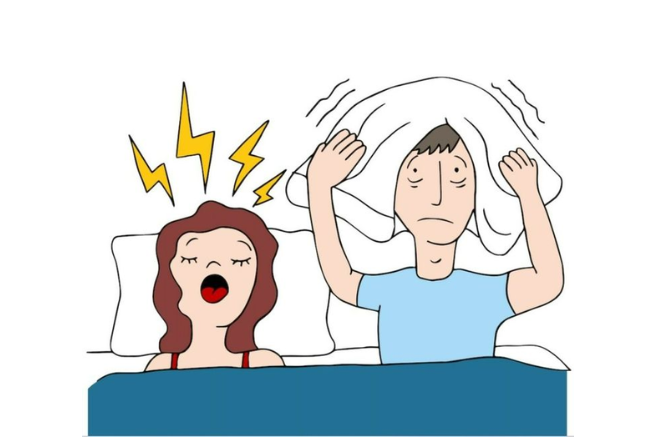
Snoring is more than just an annoyance; it can disrupt sleep, impact relationships, and even hint at underlying health issues. Finding effective anti-snoring techniques can significantly improve sleep quality and overall well-being for both snorers and those around them. If you or a loved one struggles with snoring, this guide covers practical solutions and professional treatments that may help reduce or stop snoring altogether.
1. Lifestyle Changes for Reducing Snoring
- Maintain a Healthy Weight: Extra tissue around the throat can worsen snoring. Regular exercise and a balanced diet not only help with overall health but also reduce snoring.
- Sleep on Your Side: Sleeping on your back can cause the tongue to fall back, partially blocking the airway and causing snoring. Using a body pillow to maintain a side-sleeping position can help.
2. Home Remedies to Try
- Nasal Strips or External Nasal Dilators: These products help open nasal passages, making breathing easier and reducing snoring caused by nasal congestion or obstructions.
- Essential Oils: Certain essential oils like peppermint and eucalyptus can help relieve nasal congestion, making it easier to breathe. You can diffuse these oils or inhale them before bed.
- Saline Rinse: Use a saline spray or rinse before bed to clear nasal passages. This is especially helpful if you suffer from allergies or have a cold.
3. Using Anti-Snoring Devices
- Mandibular Advancement Devices (MADs): These mouthpieces are designed to push the jaw and tongue slightly forward, keeping airways open. Many find MADs effective for reducing or eliminating snoring.
- Tongue Retaining Devices (TRDs): A TRD holds the tongue in place, preventing it from falling back and blocking airflow.
- CPAP (Continuous Positive Airway Pressure) Devices: For people with sleep apnea, CPAP machines provide a constant stream of air, preventing airway collapse. CPAP is highly effective for reducing snoring related to obstructive sleep apnea (OSA).
4. Exercises for Reducing Snoring
Certain exercises can tone the muscles in the throat and mouth, reducing the likelihood of snoring. Try these simple exercises:
- Tongue Exercise: Slide the tip of your tongue to the roof of your mouth, then pull it back. Repeat this 10 times.
- Vowel Exercises: Pronouncing vowels (A-E-I-O-U) loudly and clearly strengthens the muscles in the back of the throat.
- Soft Palate Exercise: Close your mouth and purse your lips. Hold for 30 seconds to help strengthen the soft palate and reduce snoring.
5. Medical and Professional Treatments
- Radiofrequency Ablation (RFA): RFA is a minimally invasive procedure that shrinks tissue in the soft palate, reducing snoring caused by soft tissue vibration.
- Uvulopalatopharyngoplasty (UPPP): This surgical procedure removes excess tissue in the throat to widen the airway. UPPP is usually recommended when snoring is caused by structural blockages.
- Laser-Assisted Uvulopalatoplasty (LAUP): LAUP uses lasers to remove parts of the soft palate and uvula. It’s a less invasive option than UPPP and can be effective in reducing snoring for some people.
6. When to See a Doctor
Persistent snoring could indicate sleep apnea or another underlying health issue. Signs that snoring may require medical attention include:
- Excessive daytime sleepiness
- Choking or gasping sounds during sleep
- Difficulty concentrating during the day
- High blood pressure and irritability
If any of these symptoms accompany snoring, consult a healthcare professional to discuss potential tests and treatments.
Conclusion
With the right techniques, it’s possible to minimize or eliminate snoring, leading to better sleep and overall quality of life. Whether you choose lifestyle changes, home remedies, anti-snoring devices, exercises, or professional treatments, there’s likely a solution that can make a difference. By investing in these anti-snoring techniques, you’re one step closer to achieving peaceful, uninterrupted sleep.