



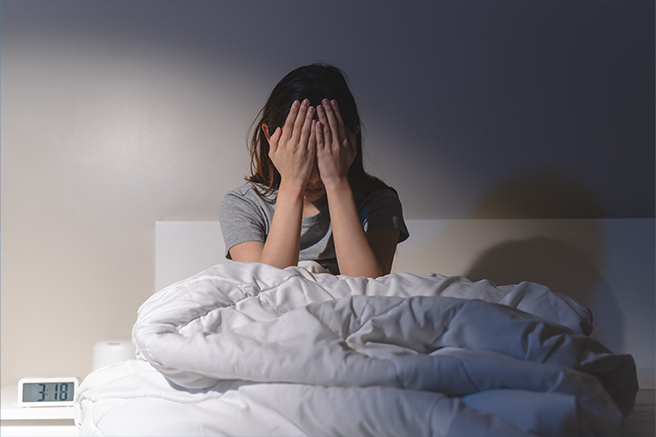
Sleep is as essential to our health as food and water, yet many people struggle to get enough rest. Sleep deprivation, a condition that occurs when you don’t get the necessary amount of sleep, can lead to a range of serious health problems. In this article, we’ll explore what sleep deprivation is, its causes, its effects on the body and mind, and practical solutions to improve your sleep quality.
What is Sleep Deprivation?
Sleep deprivation occurs when an individual consistently fails to get enough sleep to support optimal health and functioning. The amount of sleep needed varies by age, with adults typically requiring 7-9 hours per night. Sleep deprivation can be either acute, due to a short period of insufficient sleep, or chronic, which involves prolonged periods of inadequate rest.
Causes of Sleep Deprivation
There are numerous factors that can lead to sleep deprivation, including:
Lifestyle Choices:
Work and School Demands: Long hours, shift work, and academic pressure can lead to irregular sleep patterns.
Social Activities: Late-night socializing, screen time, and other activities can encroach on sleep time.
Caffeine and Alcohol: Excessive consumption of caffeine or alcohol, especially later in the day, can disrupt sleep.
Sleep Disorders:
Insomnia: Difficulty falling or staying asleep is a common cause of sleep deprivation.
Sleep Apnea: Breathing interruptions during sleep can result in poor sleep quality.
Restless Leg Syndrome: An uncomfortable urge to move the legs, often at night, can interfere with sleep.
Mental Health Issues:
Stress and Anxiety: Worry and stress can make it difficult to fall asleep or stay asleep.
Depression: Depression often leads to disturbed sleep patterns, contributing to sleep deprivation.
Environmental Factors:
Uncomfortable Sleeping Environment: Noise, light, and temperature can all impact sleep quality.
Bed Sharing: Sharing a bed with a partner or pets can lead to disruptions in sleep.
Effects of Sleep Deprivation
The consequences of sleep deprivation are far-reaching, affecting both physical and mental health:
Physical Effects
Weakened Immune System: Lack of sleep impairs the body’s ability to fight off infections, making you more susceptible to illnesses.
Increased Risk of Chronic Conditions: Chronic sleep deprivation is linked to a higher risk of developing conditions such as heart disease, diabetes, and hypertension.
Weight Gain: Sleep deprivation affects hormones that regulate hunger, leading to increased appetite and weight gain.
Decreased Physical Performance: Poor sleep impacts coordination, reaction time, and strength, making physical activities more challenging.
Mental and Cognitive Effects
Impaired Cognitive Function: Lack of sleep affects memory, decision-making, and concentration, leading to poor performance at work or school.
Mood Disturbances: Sleep deprivation is closely linked to mood disorders such as irritability, anxiety, and depression.
Increased Risk of Accidents: Drowsiness impairs reaction times and judgment, increasing the likelihood of accidents, especially while driving.
Mental Health Disorders: Prolonged sleep deprivation can exacerbate symptoms of mental health disorders, creating a vicious cycle of poor sleep and worsening mental health.
Long-Term Consequences of Sleep Deprivation
When sleep deprivation becomes chronic, the long-term effects can be severe:
Cardiovascular Problems: Persistent sleep deprivation increases the risk of hypertension, heart attack, and stroke.
Diabetes: Lack of sleep affects glucose metabolism, contributing to the development of type 2 diabetes.
Cognitive Decline: Chronic sleep deprivation is associated with an increased risk of neurodegenerative diseases like Alzheimer’s.
Decreased Life Expectancy: Studies have shown that chronic sleep deprivation is linked to a shorter lifespan, emphasizing the importance of adequate sleep for longevity.
Solutions to Combat Sleep Deprivation
Addressing sleep deprivation requires both short-term and long-term strategies:
1. Improve Sleep Hygiene:
- Establish a Routine: Go to bed and wake up at the same time every day, even on weekends.
- Create a Relaxing Bedtime Ritual: Engage in calming activities before bed, such as reading or taking a warm bath.
- Optimize Your Sleep Environment: Ensure your bedroom is quiet, dark, and cool, and invest in a comfortable mattress and pillows.
2. Manage Stress and Anxiety:
- Practice Relaxation Techniques: Deep breathing, meditation, and yoga can help reduce stress and promote better sleep.
- Limit Screen Time: Avoid screens at least an hour before bed, as the blue light emitted can interfere with melatonin production.
3. Address Underlying Health Issues:
- Seek Treatment for Sleep Disorders: If you suspect you have a sleep disorder like sleep apnea or insomnia, consult a healthcare professional for diagnosis and treatment.
- Manage Chronic Conditions: Proper management of conditions like depression, anxiety, and chronic pain can improve sleep quality.
4. Limit Stimulants:
- Reduce Caffeine and Alcohol Intake: Avoid caffeine and alcohol, especially in the afternoon and evening.
- Eat a Balanced Diet: Avoid heavy meals close to bedtime, and opt for light snacks if needed.
When to Seek Professional Help
If you’ve tried improving your sleep habits and still struggle with sleep deprivation, it may be time to seek professional help. A sleep specialist can conduct a thorough evaluation, possibly including a sleep study, to identify any underlying sleep disorders. With the right treatment and guidance, you can regain control over your sleep and enjoy the benefits of restful, restorative nights.
Conclusion
Sleep deprivation is a widespread issue with serious health implications. By understanding its causes and effects, and implementing effective strategies to improve sleep, you can protect your health and well-being. Remember, sleep is not a luxury but a necessity—prioritize it, and your body and mind will thank you.