



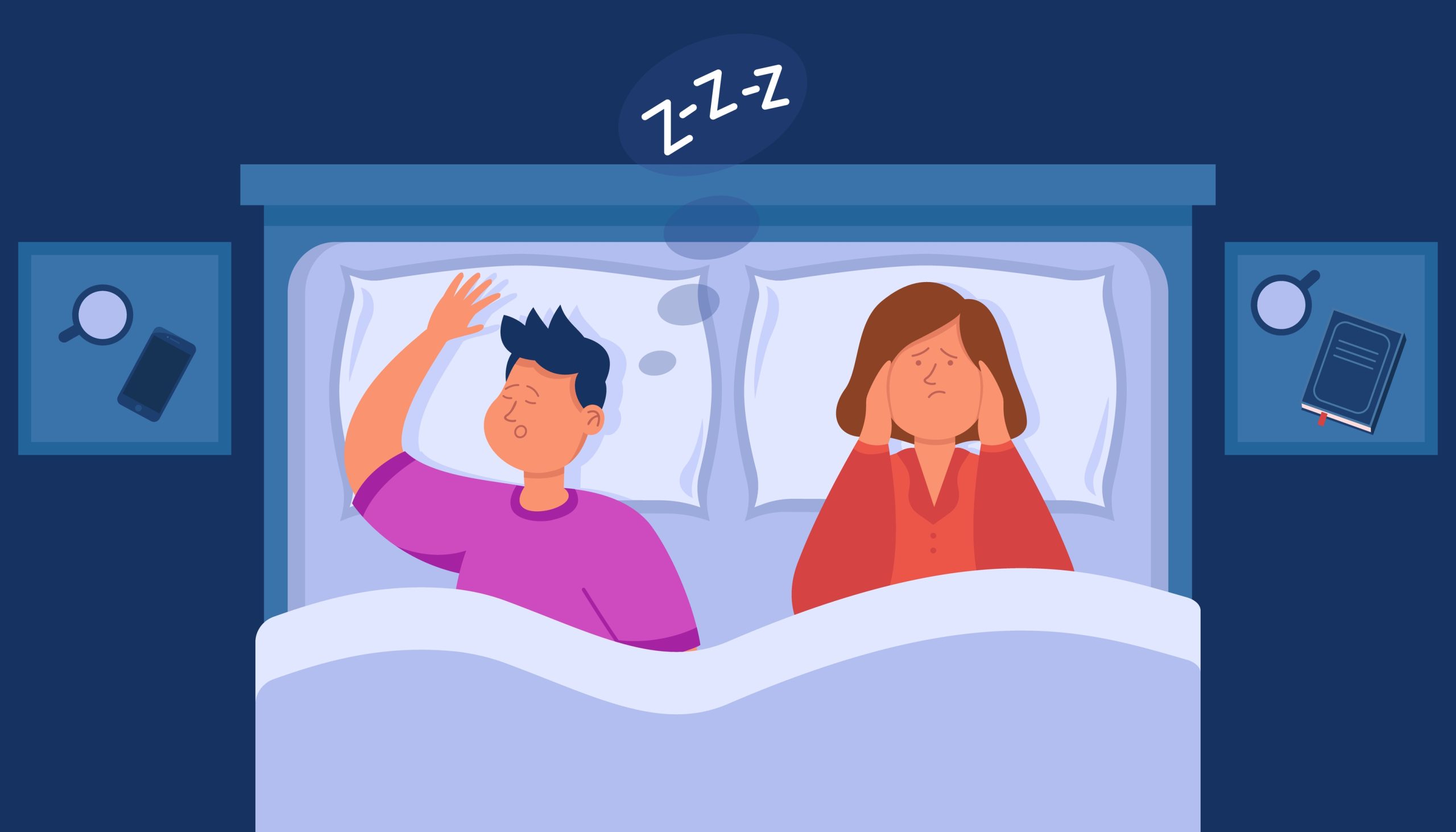
Sleep apnea is a common yet often undiagnosed sleep disorder that affects millions of people worldwide. Characterized by pauses in breathing during sleep, sleep apnea disrupts the natural sleep cycle, leading to fragmented and poor-quality sleep.
If left untreated, it can have significant consequences for overall health and well-being. In this article, we delve into the world of sleep apnea, shedding light on its symptoms, causes, and the importance of seeking appropriate treatment for silent nights and restful mornings.
Understanding Sleep Apnea
Sleep apnea is a condition in which the upper airway becomes partially or completely blocked during sleep, causing breathing to stop and start repeatedly. The most common form of sleep apnea is obstructive sleep apnea (OSA), which occurs when the throat muscles relax and block the airway. Central sleep apnea (CSA) is less common and involves the brain failing to send proper signals to the muscles that control breathing.
Recognizing the Signs of Sleep Apnea
One of the most noticeable symptoms of sleep apnea is loud and persistent snoring. However, not everyone who snores has sleep apnea and not everyone with sleep apnea snores. Other common signs include gasping for air or choking during sleep, restless tossing and turning, excessive daytime sleepiness, morning headaches, and difficulty concentrating.
Types of Sleep Apnea
A physical blockage of the airway causes obstructive, Central, and Complex Obstructive sleep apnea (OSA), while central sleep apnea (CSA) is a result of the brain’s failure to signal the muscles to breathe. Some individuals may experience complex sleep apnea syndrome or a combination of both.
The Impact of Sleep Apnea on Daily Life
Sleep apnea can significantly impact daily life. The constant interruptions in breathing lead to poor-quality sleep, leaving individuals feeling exhausted, irritable, and unable to concentrate during the day. Sleep apnea is also associated with an increased risk of various health conditions, including high blood pressure, heart disease, stroke, diabetes, and depression.
Risk Factors and Causes
Several factors can increase the risk of developing sleep apnea. These include obesity, family history, being male, being older, having a thick neck circumference, smoking, alcohol consumption, nasal congestion, and certain medical conditions such as hypothyroidism and acromegaly.
Seeking a Diagnosis
If you suspect you have sleep apnea, seeking a proper diagnosis from a medical professional is essential. A sleep study conducted in a sleep lab or through a home-based sleep test can help determine the presence and severity of sleep apnea. A medical evaluation will involve a detailed assessment of symptoms, medical history, and physical examination to identify underlying causes and associated health conditions.
Treatment Options
Fortunately, sleep apnea is a treatable condition. Continuous positive airway pressure (CPAP) therapy is the most common and most effective treatment for sleep apnea. CPAP involves wearing a mask that delivers a continuous flow of air to keep the airway open during sleep. Other treatment options include oral appliances that reposition the jaw and tongue, lifestyle changes such as weight loss and exercise, positional therapy, and, in some cases, surgery.