



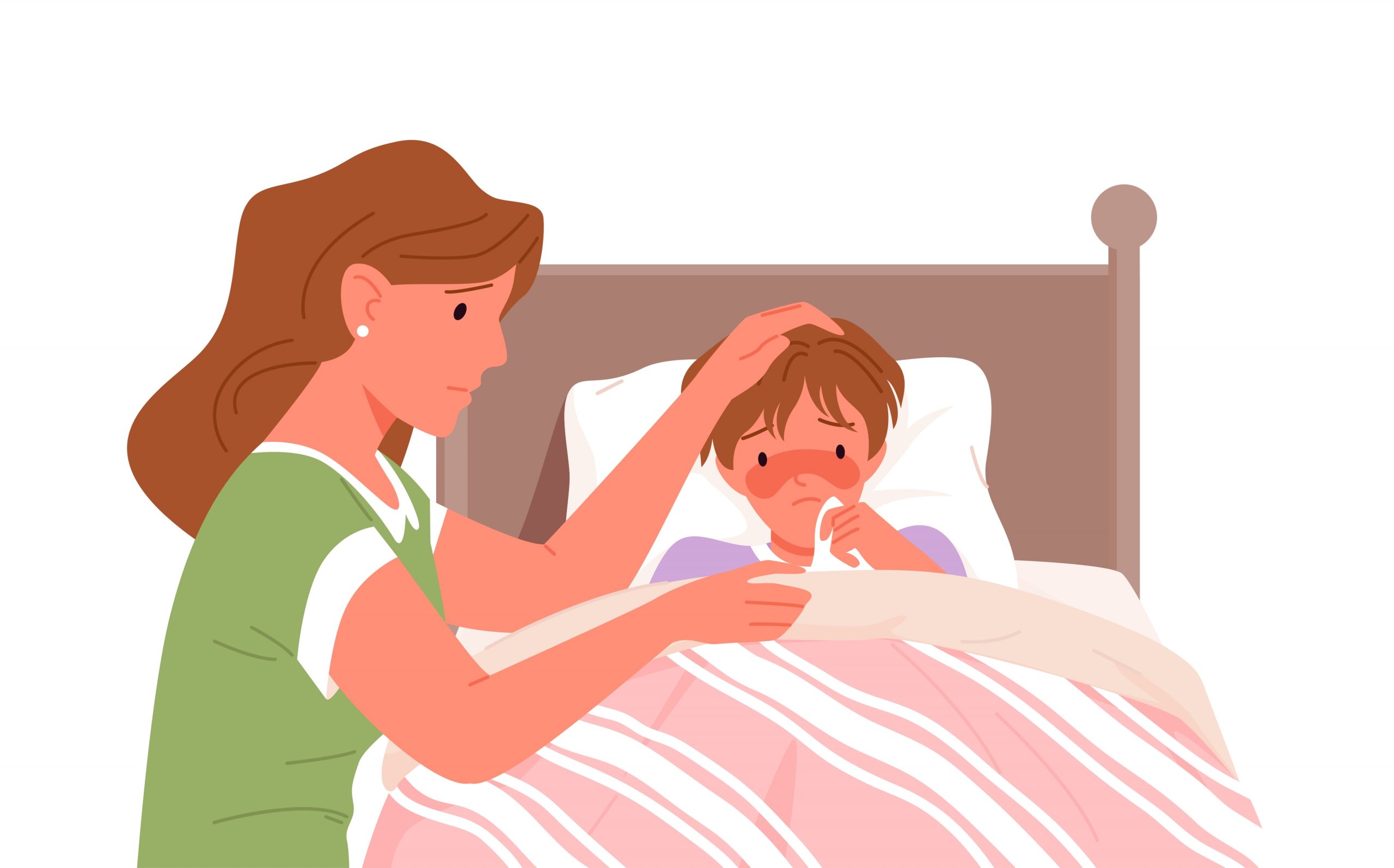
The notion that children have unique needs in terms of how much sleep they need may not surprise most parents. What is effective for a child of two years old is not at all comparable to what is effective for a teenager or an adult, but what is effective for a child of twelve is relatively constant across the board, with both requiring a total of twelve hours.

Children who haven’t had enough sleep aren’t simply irritable; they also exhibit other negative behaviors. Children who do not obtain the recommended amount of sleep are at an increased risk of developing obesity and other chronic disorders as adults.
09 Best Tips to Put Your Child to Sleep
- Put a stop to the screening immediately. It is essential to consider carefully whether or not it is appropriate for a child’s bedroom to have electronic gadgets such as TVs, tablets, laptops, and even mobile phones.
- Establish a set pattern for them to follow before going to bed. A routine just before bed can indicate to their brain and body that it will soon be time to relax and prepare for the next day.
- Cut down on the number of calories they consume. Children have an increased risk of staying up beyond bedtime if they drink anything containing caffeine or a significant amount of sugar in the hours leading up to bedtime.
- Make sure that their room is at a temperature that is neither too hot nor too cold and that it is comfortable for them to be there. Make sure that it is cozy enough for sleeping. In the same spirit, having too many blankets or too few is not ideal.
- Before going to bed, taking a shower or bath may be a relaxing experience for young children.
- Suppose your child loves to stretch out when sleeping in bed. Check to see whether it is appropriate. In that case, ask them whether the size of the bed they currently have is enough for their requirements or if you should consider upgrading to a larger one.
- Do not use nighttime as a form of discipline with your child. Because of this, your child can develop a negative attitude about getting enough shut-eye. On the other side, you shouldn’t use a later bedtime as a reward for good behavior.
- Give your child some freedom in their decisions, such as picking out their own pajamas or a book for them to read to you before bed.
- The behaviors of those around children profoundly impact their development. They probably appreciate sleep just as much as you do if you do. Take some time to rest together as a family.
Maybe It’s Time for A New Mattress for Your Baby
Because of the different rates at which children grow and mature, it may be challenging to determine whether or not they are ready for a new bed. When determining whether or not your kid is ready to go from a crib to a bed, you should consider how they react when given restrictions. Do you have to put them to bed, but the moment you do, they jump out of bed and run around the room? They must sleep in a crib, but you shouldn’t rush to get one.
If your child often complains about how uncomfortable the mattress is, you should consider upgrading to a bigger one. It would be best if you moved them out of the twin bed and into a full-size one.
If the mattress has been in use for more than seven years, it is most likely time to get a new one. You may notice that your kid is not getting as much sleep as he or she used to because, as they have grown older, they have undoubtedly developed a greater need for the care and comfort of a new mattress.