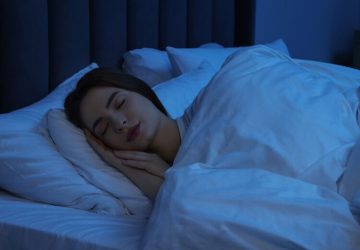




Looking for the best ways to sleep? This article is for you. Sleepless nights are not inevitable. Reduced sleep quality is associated with cognitive, emotional, and physical impairments. Consider basic suggestions for improved sleep, such as sticking to a regular sleep pattern and increasing your daily activities. Sleeping well is crucial; it improves how you feel and your body and brain work. Specific individuals have no trouble whatsoever nodding off. In contrast, many people have difficulty getting to sleep and remaining asleep.
If you, too, have trouble falling asleep, this article is for you. Go through the tips below to ensure a restful night’s sleep every night:
Turn down the temperature:
As you lay down, your body temperature drops, and as you rise, it rises. As you go off to sleep, your core temperature will decrease. It might be challenging to fall asleep if the temperature in your bedroom is too high. Bringing the temperature between 60 and 67 degrees Fahrenheit (15.6 and 19.4 degrees Celsius) may assist. Everyone has their own ideal temperature sweet spot, so experiment until you discover yours.
Some measures of sleep, such as how quickly and well you fall asleep, could improve if you take a hot bath or shower before bed. A warm shower or bath may also help the body warm up more quickly. Afterward, your body’s temperature drop may trigger sleep hormones. The ratio of time spent sleeping in bed to time spent lying awake measures how efficiently you sleep.
Use the 4-7-8 breathing technique:
If you’re looking for a simple but effective breathing technique to help you relax, try the “4-7-8” approach. It involves a specific pattern of breathing meant to calm the nervous system, and it’s based on yoga’s teachings on breath control. It’s something you can do whenever you start to feel pressured or anxious. It might help you wind down at night.
Instructions are as follows:
- Step one is to rest the tongue’s tip in the space between the top front teeth.
- Do a full “whoosh” as you breathe through your mouth.
- Put your hands over your nose and mouth, and take four deep breaths.
- Keep your breath held and count to 7 in your head.
- Just open your lips wide and let out a big “whoosh” of air while silently counting to eight in your head.
You should do this sequence three more times. You may sleep more soundly after using this method. It is one of the best ways to sleep.
Best ways to sleep – Establish a routine:
A regular bedtime routine helps to improve sleep quality for many individuals. Your body’s natural internal clock is termed the circadian rhythm. This circadian rhythm tells your brain when you should be awake and when you should be sleeping so that you may stay up throughout the day and sleep at night. Maintaining a consistent sleep-wake cycle might reduce the likelihood of jet lag.
Once your body gets used to this routine, going to bed and waking up at the exact times each day will become second nature. Sleeping for 7 to 9 hours nightly is also recommended. Scientific studies have shown that this is the optimum amount of time for an adult to sleep. Finally, ensure you leave yourself at least half an hour to relax before turning in for the night. The result is a calmer state of being that paves the way for a better night’s sleep.
Take part in both day and nighttime activities:
The internal clock that controls sleep and wakefulness may be influenced by light. Light exposure that is too bright or dim at the wrong times may throw off your body’s natural clock, making it more challenging to sleep and remain awake. Exposure to intense light throughout the day signals to the brain that it is time to be awake and aware. This is true of natural and artificial light, such as that produced by an e-reader.
Nighttime darkness makes people feel sleepier. The sleep hormone melatonin is produced in more significant quantities when it is dark. Actually, the body produces hardly little melatonin in the daytime. Go outside and soak up some rays, whether natural or manufactured. Use blackout curtains to keep the light out of the room at night.
Do things like yoga, meditation, and mindfulness every day:
People sometimes have trouble sleeping on nights when they are worried. Tools for achieving mental and physical relaxation include yoga, meditation, and mindfulness. Plus, research has proven that each of these practices promotes better sleep. Sleep characteristics, including sleep quality, efficiency, and length, have all been shown to benefit from yoga practice. When you practice yoga, you’ll learn how to breathe and move in ways that help you let go of the stress and tension that have built up in your body. It is amongst the list of the best ways to sleep.
Meditation has increased melatonin production and put the brain in a receptive state, making it easier to fall asleep. Finally, mindfulness may improve your ability to stay in the here and now, reduce stress before bed, and increase productivity throughout the day. Using any or all of these methods, you should be able to improve your sleep and wake up feeling refreshed.
Final Words:
We really hope you find these best ways to sleep helpful and practical.